
faux billet canadien
Faux Billet Canadien: Essential Tips for Identifying Fake Bills
Nov
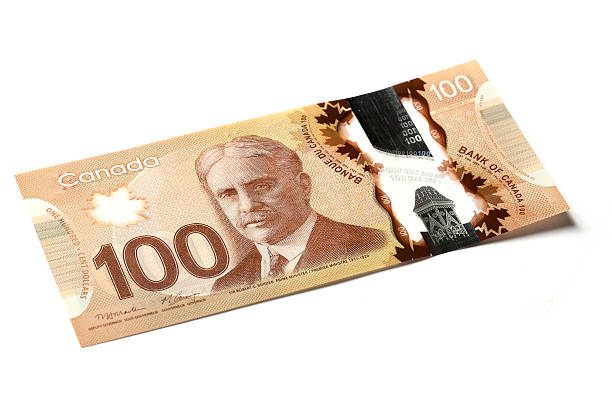
The term “Faux Billet Canadien” has become common across Canada, especially in major cities where businesses handle large amounts of cash daily. As counterfeit techniques improve, many people struggle to distinguish real Canadian banknotes from fake ones. Understanding how to spot a faux billet canadien is crucial for consumers, shop owners, and anyone who regularly handles cash.
This guide explains what a faux billet canadien is, how to identify one instantly, and how to protect yourself from counterfeit scams in Canada.
🔍 What Is a Faux Billet Canadien?
A faux billet canadien refers to any counterfeit banknote created to imitate genuine Canadian currency. These fake notes circulate most often in:
- Retail stores
- Gas stations
- Busy tourist areas
- Online cash exchanges
Because circulating or using counterfeit bills is illegal in Canada, recognizing a faux billet canadien early is essential.
💡 Top Security Features That Fake Bills Can’t Match
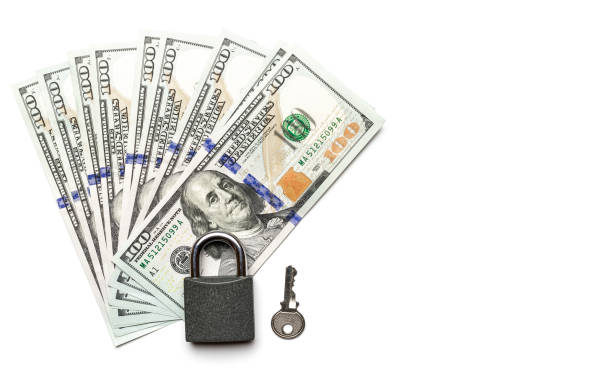
Modern polymer Canadian banknotes include multiple advanced features. Here’s how to catch a faux billet canadien instantly:
1️⃣ Transparent Window
Real bills have a clear, transparent security window.
Fake bills often use cheap plastic, foggy film, or printed replicas.
2️⃣ Raised Ink Texture
Touch the bill. Genuine notes have raised ink on:
- The large number
- “Bank of Canada” text
- The portrait
A faux billet canadien usually feels flat and smooth.
3️⃣ Metallic Portrait & Building
Tilt the bill. Real banknotes show:
- A sharp metallic portrait
- A reflective building image
Counterfeit versions look dull or blurry.
4️⃣ Hidden Number (Maple Leaf)
Hold the bill to the light. The maple leaf cutout reveals a bright number.
Fake bills often skip this detail.
5️⃣ Polymer Material
Genuine Canadian bills are made of strong polymer that doesn’t tear easily.
A faux billet canadien may feel like paper or low-quality plastic.
🧪 Quick 3-Second Test to Detect a Faux Billet Canadien
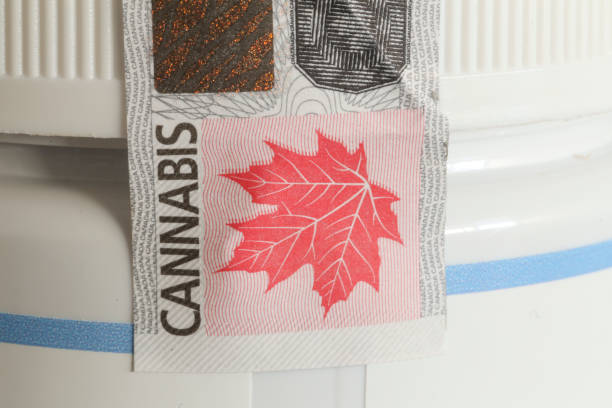
If you’re in a hurry, do this:
✔️ Look at transparent window
✔️ Feel for raised ink
✔️ Check metallic portrait
If any element seems off — assume it’s a faux billet canadien.
What to Do If You Receive a Faux Billet Canadien
If you suspect a counterfeited note:
- Do NOT return it to the person
- Note their appearance if safe
- Handle the bill gently
- Call your local police
- Turn the suspected faux billet canadien over to authorities
You won’t get in trouble for receiving a fake bill unknowingly — only for spending it intentionally.
🛡️ How Canadians Can Avoid Counterfeit Money Scams
To prevent receiving a faux billet canadien:
- Inspect $20, $50, and $100 bills carefully
- Train staff in cash-handling businesses
- Avoid cash exchanges with strangers
- Use card payments for risky transactions
- Stay familiar with Bank of Canada updates
The more you know, the harder it is for scammers to trick you.
How Businesses Can Protect Themselves
- Train employees to check security features during cash transactions.
- Use counterfeit detection tools—UV lights, magnifiers, and polymer testers.
- Post visual guides near checkout counters.
- Encourage customers to use electronic payments for large transactions.
A faux billet canadien can be difficult to spot without knowing the right security features. By familiarizing yourself with the transparent window, raised ink, holographic elements, and unique texture of Canadian polymer money, you can confidently distinguish between genuine and counterfeit notes. Staying informed is the best way to protect your finances and your business.
FAQs
1. What does “faux-billet canadien” mean?
It refers to a counterfeit or fake Canadian banknote designed to imitate a genuine currency note.
2. What is the easiest way to identify a faux-billet canadien?
Check the transparent window, raised ink, and metallic portrait — fake notes cannot copy these perfectly.
3. Which Canadian bills are most commonly counterfeited?
Counterfeiters often target $20, $50, and $100 bills.
4. Is it illegal to accidentally receive a faux-billet canadien?
No, but knowingly using or passing it to someone else is illegal.
5. Who should I contact if I suspect a faux-billet canadien?
Contact your local police and hand over the suspected counterfeit for investigation.
